
Vertebral Compression Fracture Care in Chicago and Hinsdale, IL

Learn How Pinnacle Evaluates Painful Spinal Compression Fractures in Chicago

A sharp pain in the middle of your back after a fall or a simple movement can make it hard to get dressed, stand at the kitchen counter, or sleep comfortably. Sometimes the cause is a compression fracture, a break in one of the bones of your spine. At Pinnacle Pain Management Specialists, we evaluate pain from vertebral compression fractures in Chicago and Hinsdale, IL, and help you understand which treatment options fit your symptoms and imaging.

Call Pinnacle Pain Management Specialists to relieve your pain today at (630) 794-9999.

What Is a Vertebral Compression Fracture?

The bones that make up your spine are called vertebrae. A compression fracture happens when part of one of those bones gives way and loses height. If the front of the bone collapses more than the back, the bone can take on a wedge shape. Some people develop a more rounded upper back or lose height after several fractures. Others first notice a new, localized pain in the middle or lower back.

Osteoporosis is a common cause because it weakens bones over time. When bones are fragile, the fracture can happen after a small fall or during an everyday movement like bending or lifting. A harder fall or car crash can fracture a healthy bone. Cancer can also weaken a vertebra, so tell your clinician if you have a history of cancer or unexplained new back pain.

back pain

What Does a Spinal Compression Fracture Feel Like?

The pain may start suddenly, and you might be able to point to a particular spot on your back. It can get worse when you stand or walk and ease when you lie down. You may notice it when you roll out of bed, reach into a cabinet, or stand long enough to prepare a meal. Some fractures cause little or no pain and turn up on a scan done for another reason.

A sore muscle can also hurt when you move. If you have osteoporosis or a history of fractures and develop new, focused back pain, contact a clinician promptly. Seek emergency care after a serious fall or crash if you may have injured your spine. New leg weakness, numbness around the groin, or loss of bowel or bladder control with back pain also needs emergency evaluation. The American Association of Neurological Surgeons explains which symptoms need immediate attention.

How We Evaluate a Suspected Compression Fracture

We’ll ask how the pain began, whether it changes with movement, and what you can do comfortably right now. Your clinician may check for tenderness along your spine and look for changes in strength or sensation. Mention any previous fractures, osteoporosis treatment, and medications you take. If you’ve already had imaging through urgent care or another clinician, bring the report and images if available.

An X-ray can show whether a vertebra has collapsed. An MRI can sometimes help tell whether a fracture is recent or has already healed. A CT scan may provide more detail about the bone when needed. It’s possible to have an old fracture and new pain from something else, so we look at where you hurt and how the pain started alongside what the images show.

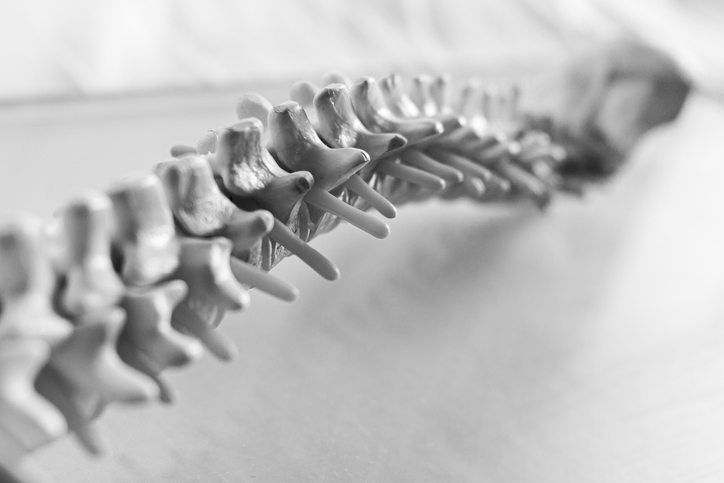
Black and white photo of a spine

Nonsurgical Care and Bone Health

Many people with stable compression fractures improve over weeks to a few months with nonsurgical care. Depending on the fracture and your overall health, your clinician may discuss pain medication, temporary activity changes, or a back brace. Ask which movements are safe during healing and when to resume activities you’ve had to put on hold.

If bone loss contributed to the fracture, your primary care clinician may recommend a bone density test or discuss osteoporosis treatment to help reduce your risk of another fracture. Tell us if pain makes it difficult to keep up with daily tasks, even if an earlier scan already identified the fracture. That information can help guide a discussion about whether your treatment plan needs to change.

When Pinnacle May Consider Kyphoplasty

Pinnacle offers kyphoplasty for selected patients with painful vertebral compression fractures. It may be an option if imaging and your exam point to a recent fracture and severe pain continues despite nonsurgical care. Your specialist will consider the location and age of the fracture, how it limits you, and your overall health.

During kyphoplasty, the clinician uses X-ray guidance to place a small balloon inside the fractured bone. After inflating and removing the balloon, the clinician fills the space with medical bone cement to stabilize the vertebra. The procedure can help ease pain for some patients and carries risks such as cement leakage, bleeding, or infection. It’s also important to continue addressing any underlying osteoporosis.

Woman with back pain.

Frequently Asked Questions About Compression Fractures

Can a compression fracture heal without a procedure?

Yes. Many stable fractures improve with nonsurgical care. The right approach depends on what the images show, how much pain you’re in, and whether the fracture is affecting the nerves.

Does an old compression fracture need treatment?

An old fracture seen on a scan may have already healed. If you have new or persistent pain, your clinician can look for signs that the fracture is still contributing or that another issue is causing the pain.

What should I bring to my consultation?

Bring any X-ray, MRI, or CT reports and images you already have, along with your medication list and any bone density results. You can complete the new patient intake form ahead of your visit if you’d like.

Schedule a Compression Fracture Consultation in the Chicago Area

If you’ve been diagnosed with a spinal compression fracture and pain still limits your daily activities, call Pinnacle Pain Management Specialists at (630) 794-9999 or contact us online. We can help you choose a Chicago-area or Hinsdale office for an evaluation and explain what to bring so your clinician can review your symptoms and imaging together.

keyboard_arrow_up